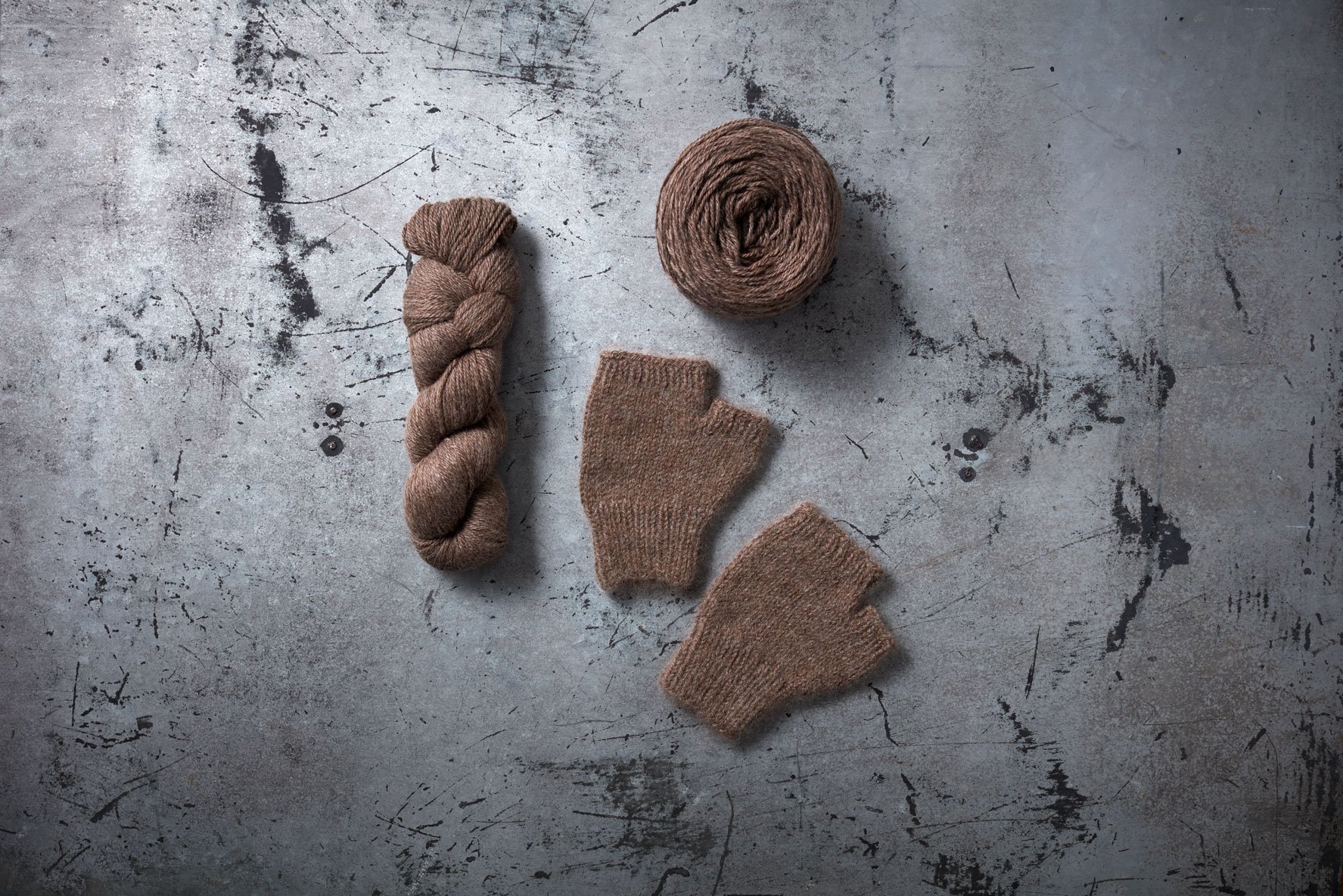
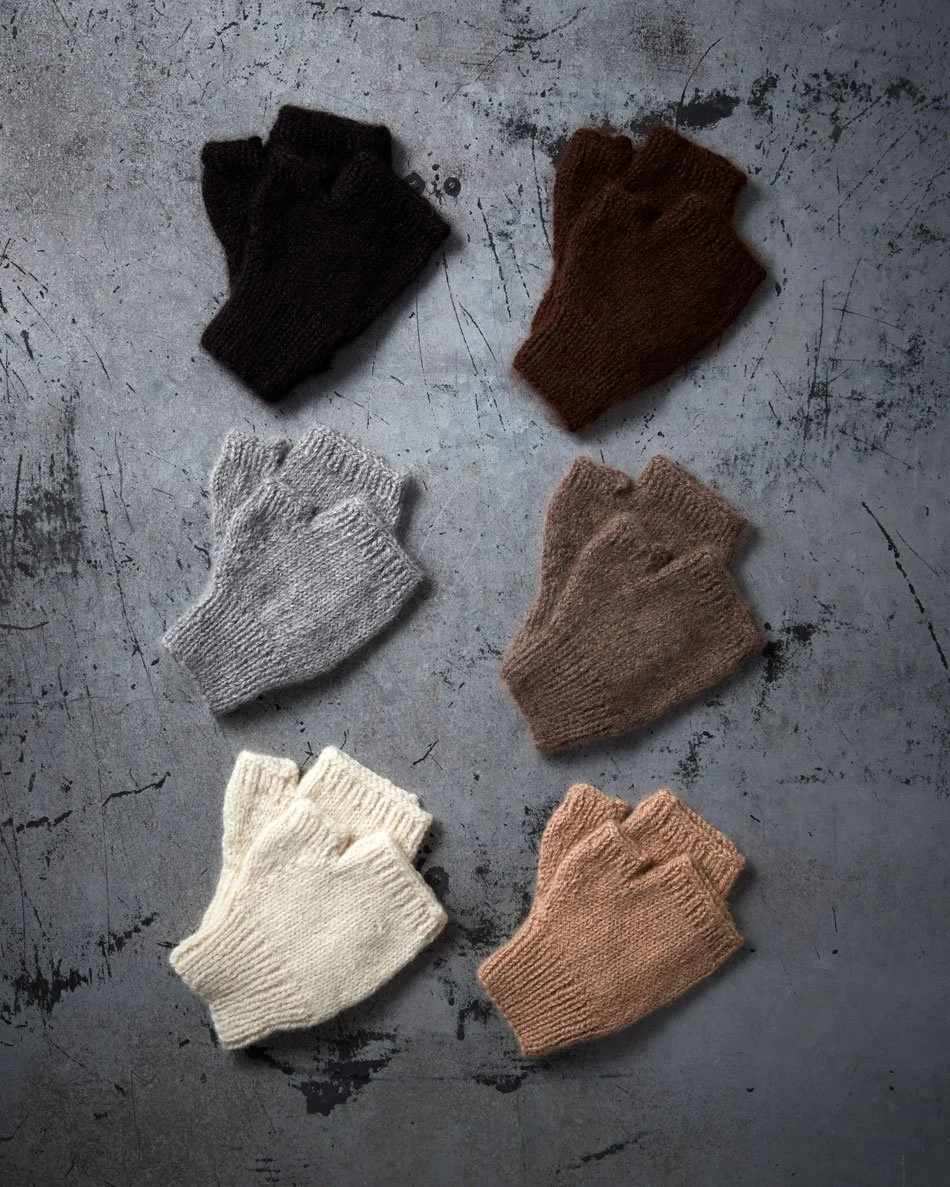
Alpaca yarn ~ Medium rose grey

from $47.90

Weight: DK / 8ply

Composition: 100% natural un-dyed alpaca

Size: 100g

Meterage: 210m

Care: Cold, gentle hand wash only with a mild, enzyme free detergent. Dry flat in the shade.

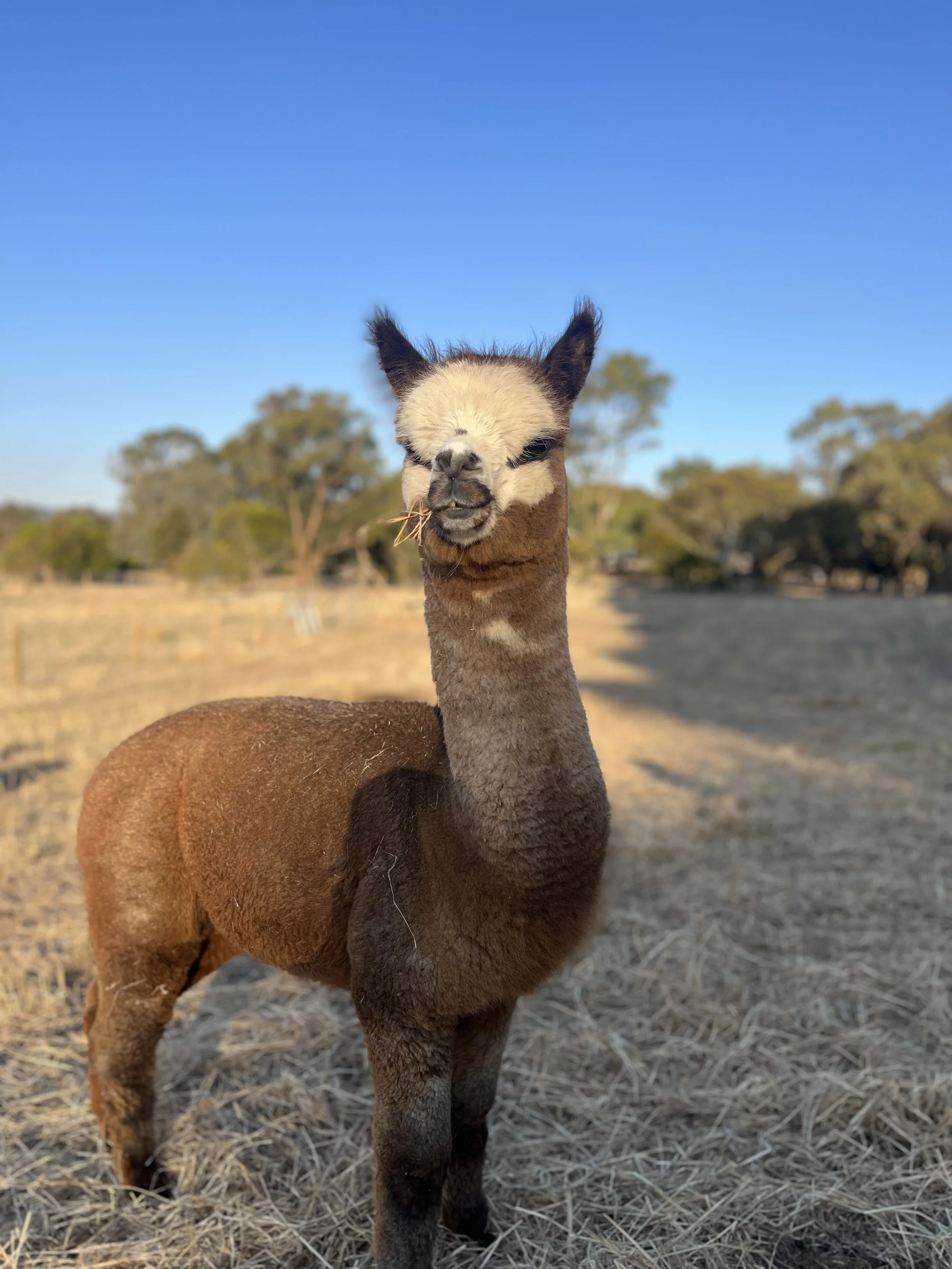
This exquisite yarn is made from the fleece of our youngest alpaca Inca, born at Addington Downs in 2024 to Kentucky. Inca was born in autumn so her first fleece was only six months old, incredibly soft & luxurious. Because of the timing of her birth we’re lucky to be getting another cria fleece from her this year. If you keep up with the newsletter we’ll be sure to let you know as soon as the 2025 fleeces return from the mill as yarn. During the alpacas lifetime the first fleece is commonly the softest, as such there is a limited quantity.

Weight: DK / 8ply

Composition: 100% natural un-dyed alpaca

Size: 100g

Meterage: 210m

Care: Cold, gentle hand wash only with a mild, enzyme free detergent. Dry flat in the shade.

This exquisite yarn is made from the fleece of our youngest alpaca Inca, born at Addington Downs in 2024 to Kentucky. Inca was born in autumn so her first fleece was only six months old, incredibly soft & luxurious. Because of the timing of her birth we’re lucky to be getting another cria fleece from her this year. If you keep up with the newsletter we’ll be sure to let you know as soon as the 2025 fleeces return from the mill as yarn. During the alpacas lifetime the first fleece is commonly the softest, as such there is a limited quantity.

Type:

Our alpacas are carefully cared for & managed using camelid dynamics techniques to ensure a sense of calm when doing any animal husbandry. In their everyday life they play an integral role in keeping our flerd safe, especially at lambing/kidding time. When they are not on duty they happily graze with the other animals, love a dust bath & to pronk around the paddock. Come shearing time, Alex carefully skirts the fleece to remove as much vegetable matter & course guard hairs as possible. The skirted fleece is then sent to a mini mill to process into yarn. Being a natural product, invariably you will still find occasional bits of vegetable matter in the yarn after the processing is complete. These can be picked out as you come across them whilst knitting.